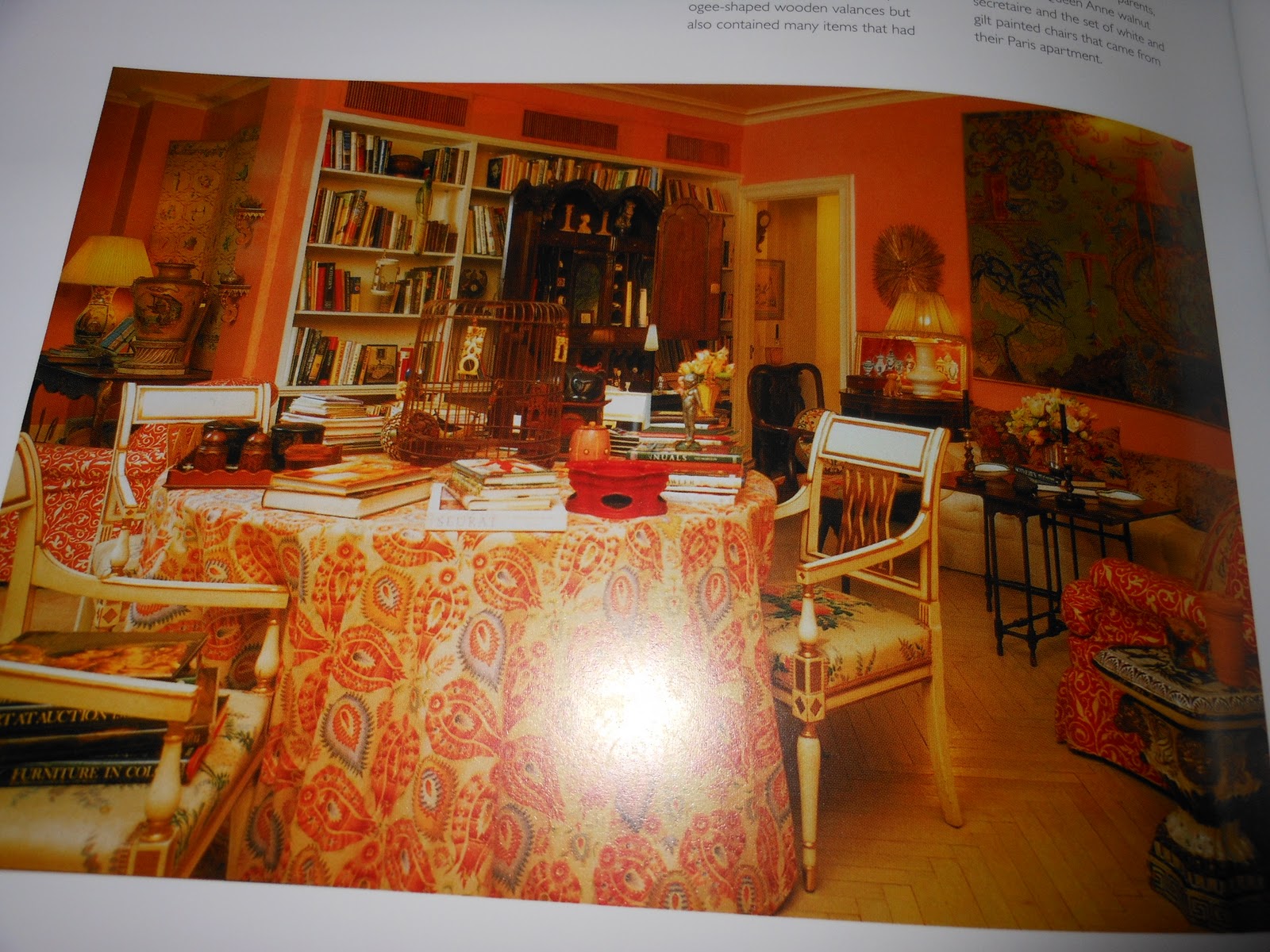
“It is only my eye that has helped me. I am still hopeless with that thing called a scale ruler. I love color, but that comes very naturally to me. From the beginning, I never followed trends. If I was aware of them, I didn’t care, for I believed as I do now, that rooms should be timeless and very personal. I don’t set out to achieve a particular style. And I certainly don’t have a ‘look’ — just a mishmash of everything that somehow, by instinct, usually turns out to be a warm imaginative, ‘living room’.”- Sister Parish
Today "flea market" style is all the rage, but before the television shows, magazines, and design blogs began really singing the praises of thrift store finds and revamped furniture, there was Sister Parish. As one of the most iconic decorators in American history, Sister Parish can be credited for what is typically considered American country décor.
She encouraged bright colors, painted furniture and promoted the use of found items and family heirlooms. Sister insisted that rooms should center around what people truly enjoyed - not simply what "matched". She is well-known for her use of overstuffed armchairs, patchwork quilts, rag rugs, knitted throws and varied patterns. Her style is beautiful yet homey, stunning yet accessible.
My admiration for this respected designer started after I read this book and the fact that Maine was Sister's favorite place in the world only made me appreciate her more.
I've enjoyed reading about this renegade designer, but now a new book has come out with images of some of Sister's more memorable rooms and even though these rooms were designed decades ago, they still work today.
Architectural Digest featured Sister's Maine cottage in 2006.
“Much of what was there needed freshening,” designer Libby Cameron says of the Summer House, Sister Parish’s Cape Cod-style cottage on an island off Maine, one of two she updated for the late decorator’s daughter Apple Bartlett (Gweneth's not so original after all).